

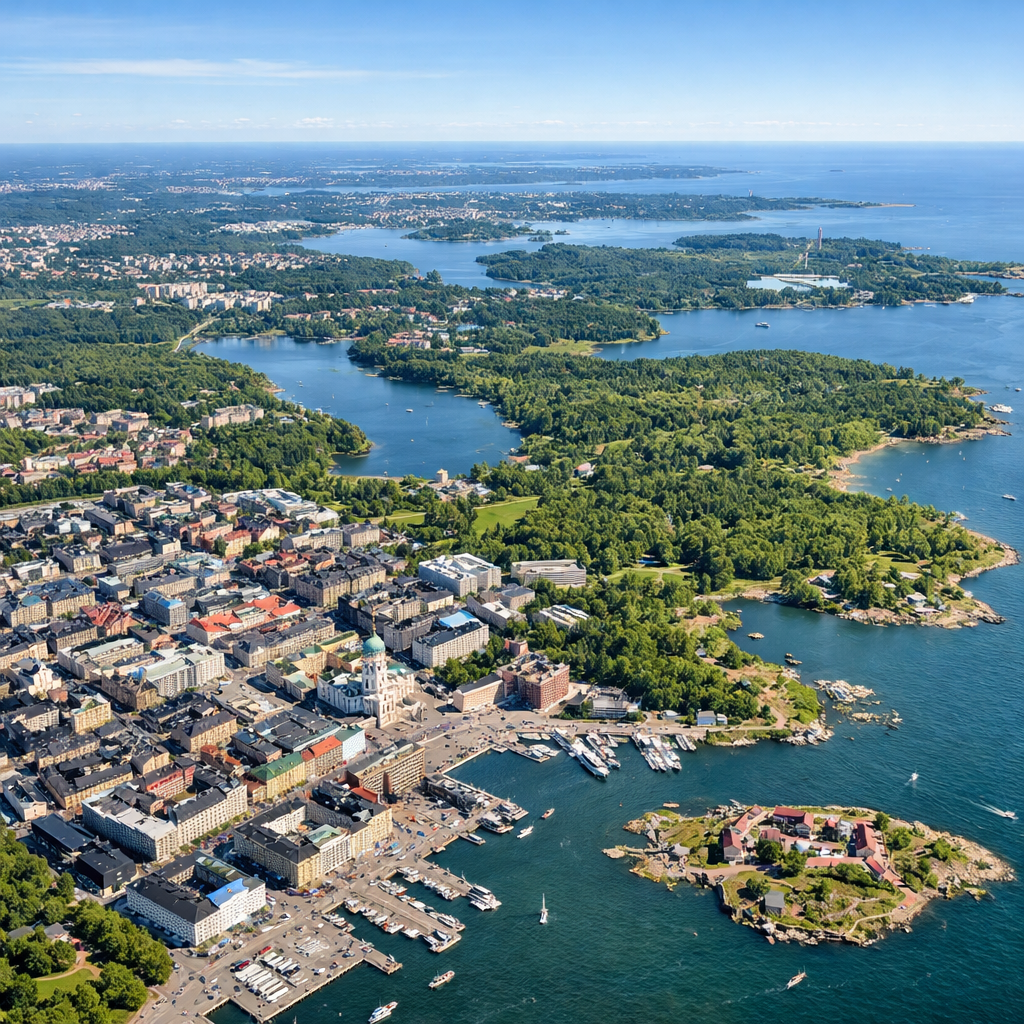
Helsinki has long been recognized for its proactive approach to environmental sustainability. The city’s comprehensive strategies encompass emission reductions, biodiversity conservation, and the promotion of sustainable practices among its residents.
Ambitious Emission Reduction Targets
In its latest environmental report, Helsinki announced a significant decrease in greenhouse gas emissions. The city achieved a 16% reduction from the previous year, primarily due to a shift towards renewable energy sources and improved energy efficiency. Notably, the use of coal in energy production has been phased out, leading to a 27% decrease in district heating emissions. These efforts align with Helsinki’s goal to reduce emissions by 85% from 1990 levels by 2030 and to achieve net-zero emissions by 2040.
Enhancing Biodiversity Through Nature Reserves
Recognizing the importance of preserving urban nature, Helsinki established five new nature reserves in 2024. This initiative is part of a broader plan to protect 10% of the city’s land and water areas by 2038. The new Nature Reserve Programme aims to double the area of protected land and increase the city’s protected sea areas tenfold, ensuring that residents have access to diverse natural environments.
Promoting Sustainable Practices in the Workplace
Helsinki’s commitment to sustainability extends beyond municipal initiatives. The city has implemented an eco-support program that encourages environmentally friendly practices in workplaces. Eco-supporters are trained to guide their colleagues in adopting sustainable habits, such as reducing waste and conserving energy. This grassroots approach empowers employees to contribute to the city’s environmental goals in their daily work routines.
Addressing Climate Change Adaptation
As climate change continues to impact urban areas, Helsinki is investing in adaptation measures to mitigate potential risks. The city is enhancing green infrastructure to reduce urban heat islands and improve stormwater management. Additionally, efforts are underway to prepare for increased risks of heatwaves and flooding, ensuring the city’s resilience in the face of changing climate conditions.
Through these multifaceted initiatives, Helsinki demonstrates a comprehensive and proactive approach to environmental sustainability, setting a benchmark for cities worldwide.